

This post contains affiliate links. If you purchase through these links, InfiniteFits may earn a small commission at no extra cost to you. Your support helps us keep creating style and self-growth content.
How To Deal With The Burnout When Life Feels Heavy
Sleep does not cure certain types of fatigue.
You wake up completely weary. Things that once excited you now feel hollow. You go through the motions—work, duties, and routines—but nothing seems real or meaningful. You are not lazy. You are not weak. You’ve reached your limits. And it is more prevalent, severe, and difficult to recover from than most people know.
Burnout does not present itself with a dramatic breakdown. It creeps in slowly, after weeks of overcommitment, lack of rest, and continuously putting the demands of others ahead of your own. Most people are already deeply involved by the time they realize it.
This article will help you grasp exactly what burnout is, recognize it early, and take real, practical actions toward actual recovery—not just a temporary break that sends you right back to the same place.
What Is Burnout? (And Why It’s More Than Just Being Tired)
Burnout is a type of severe chronic stress that can appear in a range of dysfunctional behaviors. The World Health Organization officially classified burnout as an occupational problem, but in practice, it goes well beyond the workplace. It might be caused by parenting, caregiving, relationships, financial pressure, or simply living in a culture that promotes being continuously busy.
The keyword is “chronic.” Burnout does not indicate a poor week. It occurs when stress accumulates over months — perhaps years — without proper recovery. Your body and mind eventually stop pretending everything is fine.
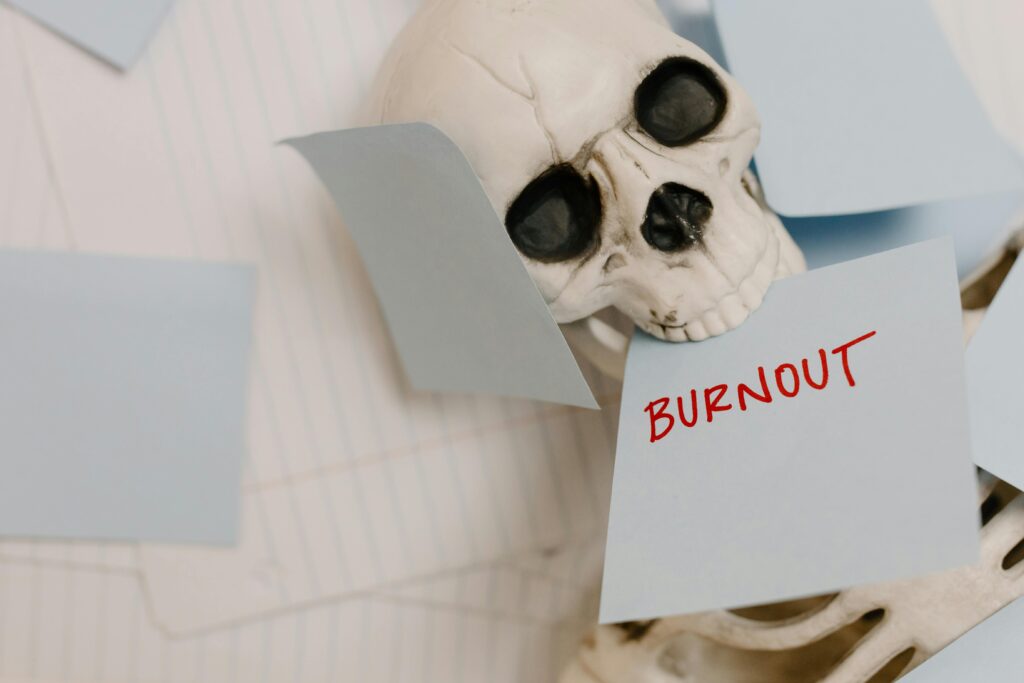
The 3 Types of Burnout — Which One Are You Experiencing?
Not all burnout looks the same. Understanding which type you’re dealing with is the first step to recovering from it effectively.
Overload Burnout — Working Yourself Into the Ground
This is the most recognized type. You take on more than you can handle, push through tiredness, miss sleep, and keep going because quitting feels like failure. Overload burnout is widespread among ambitious, high-achieving individuals who base their self-esteem on productivity. The mental conversation sounds like, “I’ll rest when it’s done.” But it’s never finished.
Under-Challenged Burnout — The Slow Drain of Boredom
This kind is disregarded because it appears contradictory. You are not overworked; you are understimulated. Your work or daily life seems useless, repetitive, and detached from anything important to you. This sort of burnout promotes cynicism, alienation, and a quiet but persistent sensation of emptiness.
You Neglect Burnout—Feeling Helpless and Left Behind
This occurs when you are overwhelmed, not by an abundance of work, but by the realization that no matter what you do, nothing improves. Helplessness set in. You quit trying because it feels futile. This type is closely related to depression and frequently necessitates more intentional rehabilitation support.
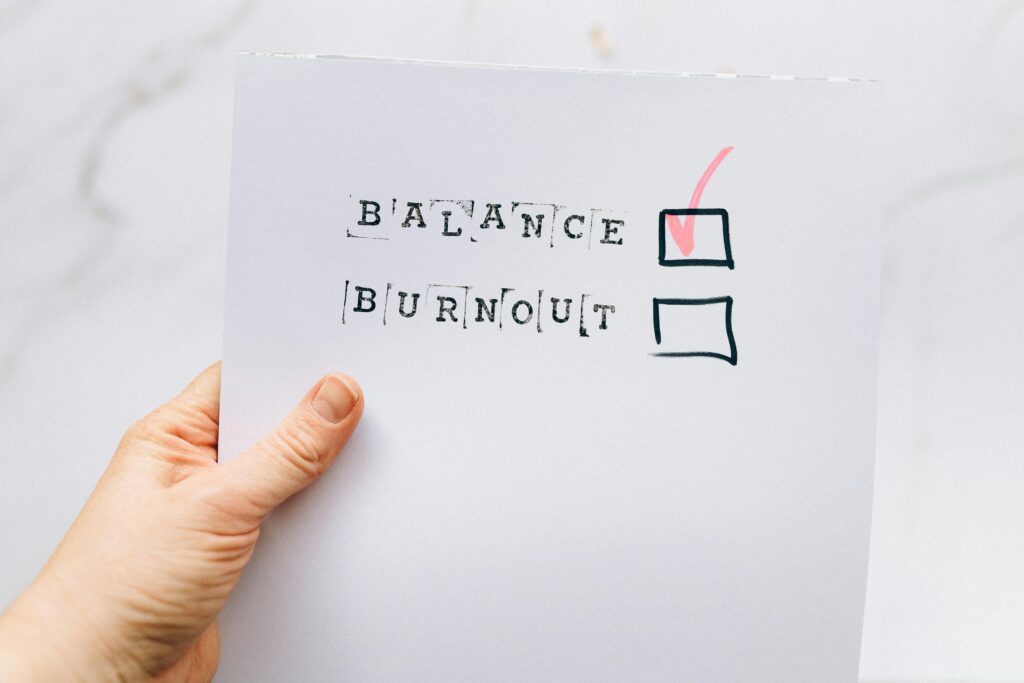
7 Early Warning Signs of Burnout You Should Never Ignore
Burnout manifests itself in a variety of ways, including anger or irritability; short temper with coworkers, friends, or family over minor issues; persistent anxiety and tension about work and daily life; cynicism and negative attitudes toward work and people; and a sense of depersonalization—disconnection from yourself and your surroundings.
Here are the 7 warning signs to watch for:
1. Chronic exhaustion that doesn’t go away with rest
You sleep 8 hours and still wake up tired. This is one of the clearest early signals that your body is running on reserves, not actual energy.
2. Everything feels harder than it should; simple tasks
Replying to a message, making a decision, and getting out of bed feel disproportionately difficult. Your mental bandwidth has been depleted.
3. You’ve stopped caring about things that used to matter
Goals, hobbies, relationships, ambitions — they all feel distant and unimportant. This emotional detachment is your mind’s protection mechanism when it’s overwhelmed.
4. Increased irritability and short temper
Small things set you off. You snap at people you care about. You feel frustrated constantly but can’t pinpoint why. This is your nervous system signaling that it’s at capacity.
5. Physical symptoms without a clear cause
Headaches, muscle tension, digestive issues, frequent illness—burnout suppresses your immune system and creates real physical symptoms that doctors often can’t explain.
6. Declining performance despite more effort
You’re working more but producing less. Concentration is difficult. Creativity has dried up. You read the same paragraph three times and still don’t absorb it.
7. Dreading what you used to enjoy
When activities, work, or relationships that once gave you energy now fill you with dread—that’s burnout talking, not laziness.

Why Hustle Culture Is Making Burnout Worse
We live in a culture where being “busy” is regarded as a badge of pride; add to that the never-ending stream of duties, meetings, and interruptions that invade personal time, and you have the perfect prescription for a mental collapse. Standout
Social media amplifies this. Every day, you see highlight reels of people working at 5 a.m., grinding on weekends, and valuing hustle as a virtue. What you don’t see is the worry, health difficulties, and relationship harm that are occurring behind the scenes.
The truth is that rest is not in opposition to productivity. It is necessary for it. Men who can maintain high levels of performance over extended periods of time are not those who never relax. They are the ones that strategically relax, preserve their recuperation, and view their energy as a scarce resource that must be replenished.
Burnout does not indicate that you are not working hard enough. It indicates that you have been working without adequate recovery for too long.

How to Recover From Burnout Step by Step
Recovery from burnout is a process rather than a single action. Dealing with burnout involves far more than a few days away from the office. A little break does not alter your circumstances—if your desk is dirty when you leave for vacation, it will still be messy when you return. The same principle applies to burnout.
Here’s a structured approach that works:
Step 1 — Acknowledge It Fully
The first and most challenging step. Most guys avoid acknowledging burnout because it implies weakness or failure. It is neither. Burnout is a physiological and psychological condition induced by prolonged overload. Recognizing it is the most daring thing you can do—because it is what enables true rehabilitation.
Say it simply to yourself: “I am drained.” This is real. And I need to recover.”
Step 2 — Create Immediate Distance From the Source
You cannot recover while fully engrossed in whatever is causing you to burn out. Distancing oneself from the situation can help to keep job-related stress under control—both physically and mentally. OPUMO
This doesn’t mean quitting your job or running away from responsibilities. It means creating deliberate gaps — taking the leave you’ve been avoiding, saying no to new commitments this week, logging off at a consistent time, and protecting a few hours of genuine recovery space each day.
Step 3 — Prioritise Sleep Above Everything Else
Prioritising sleep is one of the most important steps in recovering from burnout. During sleep your brain consolidates stress hormones, repairs cellular damage, and restores the prefrontal cortex function that burnout directly impairs. Without adequate sleep, every other recovery strategy becomes significantly less effective. infinite fits
This means consistent sleep and wake times, no screens 30 minutes before bed, a cool and dark room, and treating your sleep window as non-negotiable. If sleep has been severely disrupted, read our full guide on Better Sleep Made Simple—it covers every practical element of rebuilding quality sleep.

Step 4 — Move Your Body Gently Every Day
During burnout, intense exercise might actually raise cortisol levels and worsen exhaustion. The idea is to move gently and consistently. Even 5 minutes of walking or going outside to move your body can significantly improve stress recovery.
A daily 15-20 minute walk—preferably outside and without a phone—is one of the most evidence-based burnout recovery tools accessible. It lowers cortisol, boosts BDNF (a brain chemical that promotes mental resilience), and facilitates the natural transition between labor and relaxation.

Step 5 — Set Boundaries and Protect Them
Learning to set boundaries and ask for help can be really effective. When you don’t have clear boundaries, especially when balancing job and personal life, it can feel like you’re always on the clock. Billy Tannery
Practically, this means:
– Defining a hard stop time for work each day and honouring it
– Turning off work notifications after hours
– Saying no to new commitments until you’ve recovered
– Communicating your limits clearly to the people around you
Boundaries aren’t walls — they’re the structure that allows genuine recovery to happen. Without them, you’ll rest briefly and then slide straight back into overload. Read our full guide on The Power of Saying No for a deeper breakdown of setting boundaries without guilt.

Step 6 — Reconnect With Something That Has Nothing to Do With Productivity
Burnout often strips everything that is not “useful.” Hobbies, creativity, and play are sacrificed first. Reclaiming them is an essential component of recovery, not a luxury.
Choose one activity you used to enjoy that has no output, goal, or pressure associated with it. Reading fiction. Playing music. Trying out a new recipe. Walking in a wonderful location. Do it without your phone and without rationalizing it as productive. This is what genuine recovery feels like.

Step 7—Rebuild Slowly—Don’t Rush Back to Full Speed
Setting boundaries and taking control, both at work and at home, can help ward off long-term stress—start to actively avoid burnout with your choices rather than reacting to it once it arrives. Unfinished Man
The biggest mistake in burnout recovery is returning to full intensity too soon. You feel slightly better, so you pile everything back on—and, within weeks, you’re burnt out again. Instead, add responsibilities back gradually, protect your new boundaries fiercely, and treat recovery as an ongoing practice, not a one-time event.

The Burnout Recovery Checklist
Use this daily during your recovery period—it takes less than 5 minutes to review:
Morning:
– ☐ Did I sleep 7+ hours?
– ☐ Have I eaten something nourishing before starting work?
– ☐ Do I have one enjoyable thing planned for today?
During the Day:
– ☐ Have I taken at least one proper break away from screens?
– ☐ Am I honoring my work boundaries today?
– ☐ Have I moved my body for at least 15 minutes?
Evening:
– ☐ Did I stop work at my designated time?
– ☐ Have I done one thing today purely for enjoyment?
– ☐ Am I going to bed at a consistent time tonight?
Tick these boxes consistently for 2–3 weeks and you’ll start to feel the difference. Not a dramatic overnight change—but a slow, steady return of energy, clarity, and capacity.

The Role of Nutrition in Burnout Recovery
This is one of the most underrated recovery tools. When you’re burnt out, stress hormones like cortisol remain chronically elevated—and your diet either helps regulate them or makes them worse.
Foods that support burnout recovery:
– Complex carbohydrates (oats, sweet potato, brown rice) stabilize blood sugar and support serotonin production
– Magnesium-rich foods (dark leafy greens, nuts, dark chocolate)—depleted by chronic stress and critical for nervous system recovery
– Protein at every meal supports neurotransmitter production and sustained energy
– Omega-3 fatty acids (salmon, walnuts, flaxseed) reduce neuroinflammation associated with chronic stress
Foods that worsen burnout:
– Excessive caffeine temporarily masks exhaustion while increasing cortisol
– High-sugar foods create energy spikes and crashes that destabilise mood
– Alcohol disrupts sleep architecture and increases anxiety the following day
– You don’t need a perfect diet. Just move toward more of the first list and less of the second consistently over time.

When to Seek Professional Help
If you’ve been applying the strategies above consistently for several weeks and still feel stuck—or if your burnout has tipped into feelings of hopelessness, persistent low mood, or inability to function—please speak to a professional.
When burnout lasts for a long time, speaking to a professional can give you tools and resources to best manage your mental health—and when you gain some control back, you can make real progress. infinite fits
A therapist, counselor, or your GP can help distinguish burnout from depression, provide personalized recovery support, and address any underlying patterns that keep you cycling back into overwhelm. Seeking help isn’t a last resort—it’s one of the most disciplined, self-aware decisions you can make.

Frequently Asked Questions
How long does it take to recover from burnout?
It depends on how severe and how long-standing the burnout is. Mild burnout with consistent recovery practices can improve meaningfully in 4–6 weeks. Moderate to severe burnout can take 3–6 months of deliberate recovery. There are no shortcuts—but consistent small steps compound faster than you expect.
Can I recover from burnout without taking time off work?
In mild cases, yes — if you can create adequate recovery space within your current schedule through boundaries, reduced commitments, and daily recovery habits. In moderate to severe cases, taking time off is often necessary. Trying to recover while staying fully immersed in the burnout source is like trying to heal a wound while constantly reopening it.
Is burnout the same as depression?
They share overlapping symptoms but are distinct conditions. Burnout is specifically caused by chronic unmanaged stress and improves when the source of stress is reduced. Depression is a clinical condition that persists regardless of circumstances. However, unaddressed burnout can develop into depression—which is why early intervention matters. If you’re unsure which you are experiencing, speak to a healthcare professional.
What’s the fastest way to recover from burnout?
Sleep. Consistently, every night, 7–8 hours minimum. It’s not the most exciting answer, but it’s the most evidence-backed one. Everything else — exercise, nutrition, boundaries, reconnecting with enjoyment — builds on a foundation of adequate sleep. Start there.
Final Thoughts — You Cannot Pour From an Empty Cup
As the saying goes, “We cannot pour from an empty cup.” Burnout can seem overwhelming, but by being kind to yourself and filling your cup back up, you can regain a sense of balance. infinite fits
Recovery from burnout isn’t about doing more—it’s about finally doing less, more intentionally. It’s about protecting your energy the way you’d protect anything else you value. It’s about recognizing that rest isn’t laziness—it’s the foundation everything else is built on.
You showed up for everything and everyone. Now it’s time to show up for yourself.
Start with one thing from this guide today. Just one. That’s enough.