

This post contains affiliate links. If you purchase through these links, InfiniteFits may earn a small commission at no extra cost to you. Your support helps us keep creating style and self-growth content.
How To Deal With The Burnout When Life Feels Heavy
Burnout does not strike immediately; it develops gradually in the places where you keep pushing but never stop. It appears in the morning when you’re already exhausted, in the evening when your mind refuses to go off, and in the quiet frustration that makes even easy activities feel heavy. Burnout is not a sign of weakness; it is the normal reaction to working too much for too long. In this guide, I’ll share what has worked for me and countless others: practical techniques for recovering, resetting, and rebuilding your energy without guilt. Small changes lead to large results, and if you understand burnout emotionally and physiologically, you can finally regain control of your days.
Listen To Your Exhaustion Instead Of Fighting It
Burnout usually whispers before it screams. You feel exhausted, annoyed, and unmotivated, but you keep going because “there’s no time to slow down.” The truth is that ignoring tiredness simply aggravates burnout. The first step is awareness: recognizing your body’s signals, emotional patterns, and energy dips. Rest isn’t a luxury; it’s necessary. When you choose recovery, your mind resets faster, your productivity increases naturally, and life no longer feels like an endless pursuit. Allow yourself to take a step back, even for a moment. Guilt-free relaxation is not avoidance; it is healing.

These products can help you fight exhaustion:
Create Micro-Routines That Reduce Daily Pressure
Burnout thrives in chaotic situations. When your days lack structure, everything feels daunting; even minor decisions drain your mental energy. Micro-routines allow your brain to function more efficiently by eliminating the need for constant decision-making. A two-minute morning ritual, a consistent nighttime routine, or a basic “end-of-work-day” checklist can help you achieve emotional stability. These rituals are intended to anchor you, not confine you. They provide a predictable break in your thoughts, allowing you to recharge before tension accumulates. The secret is constancy, not perfection. Small routines lead to greater mental clarity.

These tools can help you in creating the micro-routines:
Set Boundaries Before You Break Down
Overcommitting, or saying yes when you’re already stretched thin, is a common cause of burnout. Boundaries are not selfish; they are survival measures. Whether it’s lowering extra obligations at work, taking shorter calls, or simply telling folks, “I can’t take this on right now,” boundaries protect your energy. When you prioritize yourself, you achieve emotional balance and no longer feel as if life is pushing you in all directions. Setting boundaries gets simpler if you learn to protect your time and energy, which we delve deeper into in our guide The Power of Saying No. Saying no may be painful at first, but the peace it brings is well worth it in the long run.

These products will help you in setting up the boundaries:
Simplify Your Environment to Reduce Mental Load
Cluttered spaces increase burnout because your brain continually processes everything in sight, causing stress without you recognizing it. Simplifying your surroundings provides your mind breathing space. Clean one surface, clean one drawer, or clear out unnecessary objects from your workstation. You’ll be surprised at how much lighter you feel once your surroundings quit requiring your attention. Your environment should promote your peace, not undermine it.
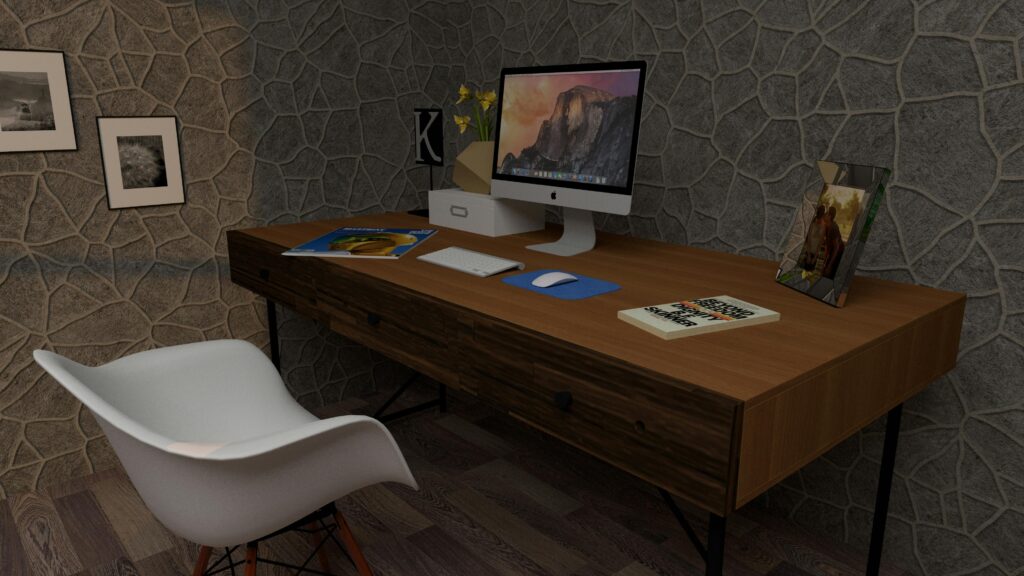
These products can help you in simplifying your workspace for improving focus:
Slow Down Your Daily Pace With Intentional Breaks
Burnout makes you feel rushed, but slowing down is frequently the best way to regain clarity. Include breathing room in daily routines, such as five minutes of silence, a short stroll, or simply taking a break from devices. Intentional slowness resets your neurological system, returning you to the present moment. If your mind is continuously overwhelmed, slowing down generally begins with reducing mental noise; our post How to Stop Overthinking & Start Living discusses practical techniques to do so. You don’t need a long vacation to recover from burnout; instead, take micro-pauses to allow your system to reboot.

These products can help you in slowing down your pace:
Reconnect With The Things That Bring You Joy
Burnout separates you from yourself. You lose interest in activities you once enjoyed. To heal, you must slowly reintroduce joy into your life—not forced, not grand, but rather simple events that remind you of who you are or were when stress took over your daily existence. Cook your favorite cuisine, read one chapter of a book you enjoy, listen to your favorite music, or resume a pastime. Joy is not an option; it is necessary for emotional rehabilitation. When you reconnect with joy, your resilience naturally increases.

These products can help you reconnect with the things that bring you joy:
Conclusion
Burnout is not a character flaw; it is a warning that you have been strong for too long without receiving adequate support. Healing occurs in gentle, deliberate steps: resting without guilt, setting boundaries, simplifying life, and reconnecting with what is important. The idea is not to “bounce back quickly,” but to rebuild a life that does not exhaust you every day. Be gentle. You are not falling; you are recalibrating.