

How to Live Better Without Spending More Money
Most people believe that financial stress stems from earning too little. That assumption is incorrect. Many people today earn well yet feel stuck, anxious, and always “one expense away” from worry. Not because they are reckless, but because money flows quietly through ordinary decisions. Comfort gradually replaces awareness, and spending becomes routine. Food delivery, subscriptions, upgrades, and convenience all appear harmless in isolation. They work together to produce pressure without providing clarity. This article is not about sacrificing happiness or living inexpensively. It’s about learning how to live better, calmer, and more in control—all without making more money.
Why Earning More Isn’t Fixing Your Life
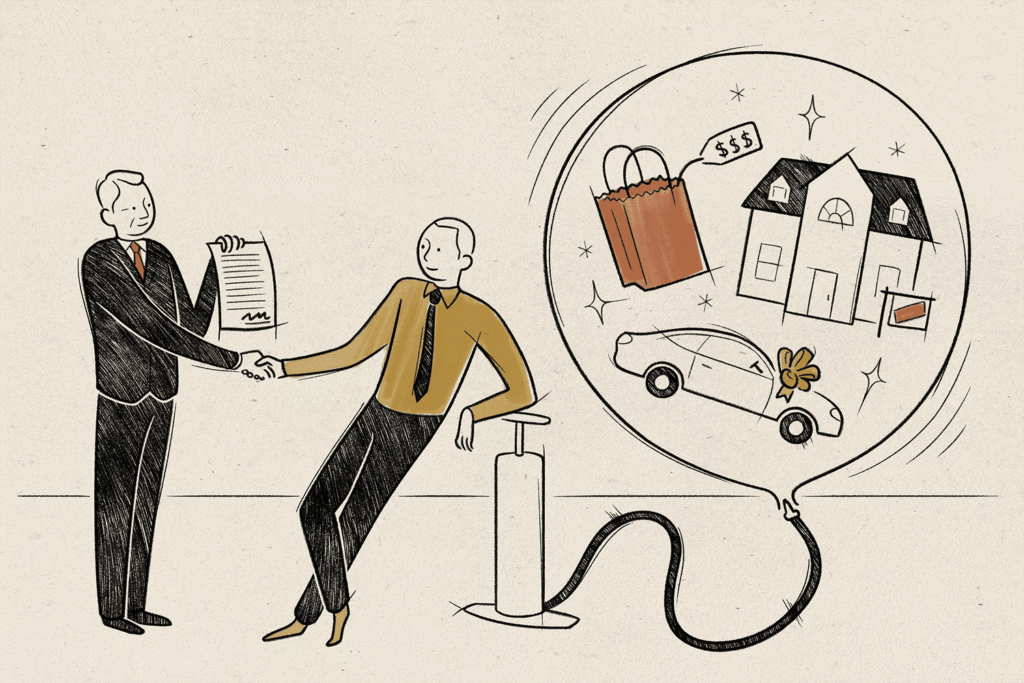
When your earnings rise, your lifestyle typically follows—quietly. You do not suddenly become irresponsible; rather, you allow for greater convenience. Cooking becomes ordering. Walking turns into cabs. Waiting leads to EMIs. Each decision feels justifiable and minor. However, when combined, they strain your financial resources. A cluttered lifestyle often mirrors a cluttered mind, so decluttering it is necessary. That is why increasing income frequently does not bring serenity. Your expenses increase faster than you realize. Money loses its uplifting quality and becomes stressful again. This is a matter of visibility, not discipline. You cannot control what you do not properly see.
Tools that can help you see where money actually goes:
The Invisible Money Leaks
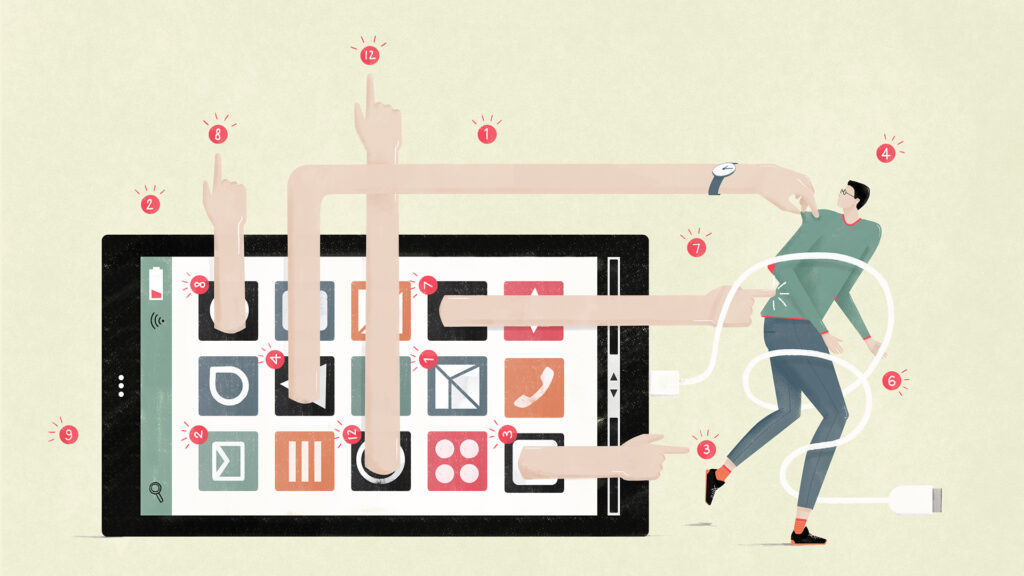
The most significant financial damage is rarely caused by a single huge blunder. It is caused by little, repetitive leaks that are scarcely noticeable. You forgot to cancel your subscriptions. Eating out when you’re “too tired” to cook. Upgrading electronics before they become outdated. Purchasing products for short-term relief rather than long-term worth. You disregard these charges because they don’t hurt individually. However, they quietly stifle savings and mental calmness. Fixing even a couple of these leaks provides immediate breathing room. Awareness alone can alter your financial trajectory.
Tools that can help you track daily money leaks:
Upgrade Your Life Without Increasing Your Expenses
Living better does not imply spending more money; rather, it requires making better choices. Home-cooked meals benefit your health, energy, and finances all at the same time. Walking on a daily basis increases focus and mood for free. Good sleep outperforms any productivity tool you’ll ever buy. Wearing fewer, well-fitting clothes feels more satisfying than possessing more. If you struggle to choose clothes that look good and frequently end up purchasing more, then our blog—”How to Look Stylish on a Budget“—will help you. A clean and orderly environment removes mental clutter for free. Most quality-of-life improvements are behavioral rather than financial. They need intention, not income. When the basics improve, stress naturally decreases. To feel well, you don’t need luxury but rather alignment.

These tools can be your one-time purchases, which can reduce recurring expenses:
Stop Paying the Convenience Tax
Convenience may appear to be progress, but it frequently has an unintended consequence. Food delivery, fast rides, and impulse purchases save time while reducing control. Over time, they teach you to outsource effort to money. This results in dependence, not self-reliance. If you struggle with staying disciplined in your daily life, our blog “How to Build Self-Discipline” will assist. The solution does not include giving up all convenience. It’s placing boundaries around it. For example, delivery just on weekends, regular monthly outings, and planned purchases. Rules help to eliminate daily decision fatigue. Willpower ultimately fails, but systems don’t. Use convenience consciously, not instinctively.

These tools can help you in structuring and managing the impulse buys and reducing stress:
The One Simple Money System
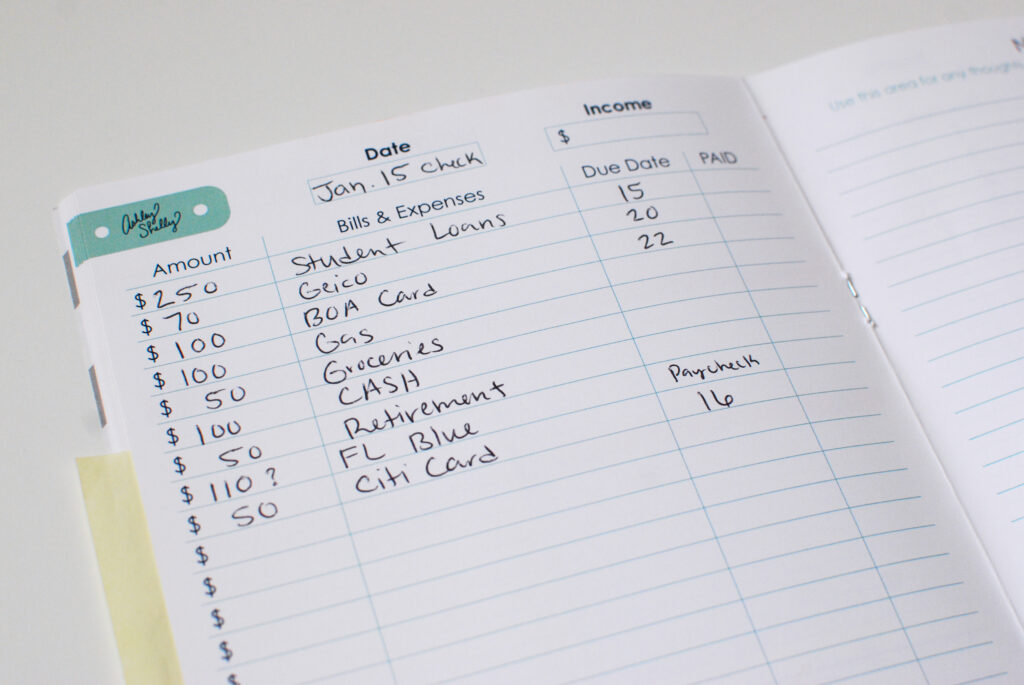
You do not require sophisticated spreadsheets or several apps. You must have a single, well-defined system that you can continuously adhere to. First, determine your monthly lifestyle expenses—rent, food, transportation, and necessities. Consider this non-negotiable and predictable. Everything else is planned spending. Maintain a primary spending account and a savings account. Review your finances once a week for ten minutes. This provides clarity without fixation. When you know where your money goes, you feel less anxious. Control feels greater than a buy.
What “Living Better” Actually Means
Living better does not imply updating everything you touch. It’s about waking up without financial worries. It is about managing expenses without panic. It’s about enjoying things without feeling guilty afterwards. True comfort is derived from control, not excess. True freedom stems from flexibility, not flexing. When your purchasing aligns with your values, stress disappears. You stop chasing upgrades and begin to build stability. A quiet life is a better one. Minimal living is better living. Calm rarely costs more money.

This book can help you understand the art of intentional living:
Conclusion
Most folks don’t need more money; they just need greater awareness and mechanisms. Living better begins when you stop wasting money unknowingly. Small, dull decisions accumulate faster than big changes. Peace is created by reducing defaults, clarifying norms, and spending more intentionally. This is not about restriction; it is about control. When control is regained, stress fades. You already make enough to live comfortably. It’s time to stop bleeding and live healthier.